
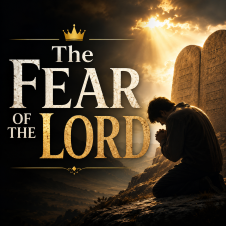
In our modern culture, the word “fear” almost always carries a negative connotation. We think of anxiety, terror, phobias, or the desire to run away and hide from a threat. Because of this, when we encounter the biblical command to “fear the Lord,” it can feel unsettling or confusing.
Are we supposed to be terrified of God? Is He waiting for us to slip up so He can punish us?
The short answer is no. True biblical fear of the Lord is not a cowering, anxious dread. Instead, it is the key to unlocking a life of deep wisdom, spiritual maturity, and divine protection. It is a concept we desperately need to reclaim today.
1. Defining the Fear of the Lord: Awe and Submission
To understand the fear of the Lord, we must look at how Scripture frames it. It is fundamentally a posture of the heart. It combines absolute reverence, holy awe, and complete submission to who God is.
-
Holy Awe: It is the feeling you get when standing at the edge of a massive canyon or watching a powerful ocean storm. You aren’t necessarily afraid it will destroy you, but you are utterly humbled by its sheer scale, power, and beauty. That is a fraction of the reverence we owe to the Creator of the universe.
-
Submission to His Ways: Fearing the Lord means recognizing that He is God and we are not. It is an acknowledgment that His boundaries are good, His word is absolute truth, and His authority over our lives is absolute. As Romans 1 reminds us, the opposite of this mindset is foolishness—worshiping the creation rather than the Creator.
“The fear of the Lord is the beginning of knowledge, but fools despise wisdom and instruction.” — Proverbs 1:7
2. The Practical Blueprint: What Does It Look Like?
The fear of the Lord isn’t just an abstract theological concept; it shows up clearly in our day-to-day choices. When we live with a healthy reverence for God, it transforms our behavior in three distinct ways:
-
Turning Away from Evil: Proverbs 16:6 tells us that “through the fear of the Lord a man avoids evil.” When we truly revere God, we begin to hate what He hates and love what He loves. Secret sins lose their grip because we realize that nothing is hidden from His holy sight.
-
Living in Obedience: Abraham demonstrated the fear of the Lord when he was willing to trust God with his most precious promise, his son Isaac. God’s response was, “Now I know that you fear God, because you have not withheld from me your son.” Fearing God means our obedience outweighs our comfort.
-
Choosing Humility over Pride: Pride tells us that we are the masters of our own destiny. The fear of the Lord humbles us, reminding us of our frailty and our absolute dependence on His grace and mercy.
3. The Promises Connected to Fearing God
God never demands a heart posture without offering a beautiful promise in return. Throughout Scripture, the fear of the Lord is tied directly to blessing, life, and security.
-
The Foundation of Wisdom: Proverbs 9:10 establishes that the fear of the Lord is the very starting point of true wisdom and discernment. Without it, our choices lack eternal perspective.
-
Divine Protection and Confidence: “In the fear of the Lord there is strong confidence, and His children will have a place of refuge” (Proverbs 14:26). Ironically, when you fear God, you no longer have to fear the world, human opinions, or difficult circumstances. He becomes your shield.
-
Satisfying Life: Proverbs 19:23 promises that “The fear of the Lord leads to life, and he who has it will abide in satisfaction; he will not be visited with evil.” It brings a deep, soul-level peace that worldly achievements simply cannot replicate.
A Call to Surrender
Living in the fear of the Lord is not about distance; it is about intimacy. It is knowing that the God who holds the universe in place—the God who is entirely holy, just, and powerful—is the very same God who loved you enough to redeem you.
When we yield to His authority and stand in awe of His majesty, our lives align with His perfect will. Let us move away from a casual, trivialized view of God and return to a place of holy reverence.
Reflect: In what areas of your life have you lost your awe of God? How can you intentionally submit that area to His lordship today?